Authors:
Abstract:
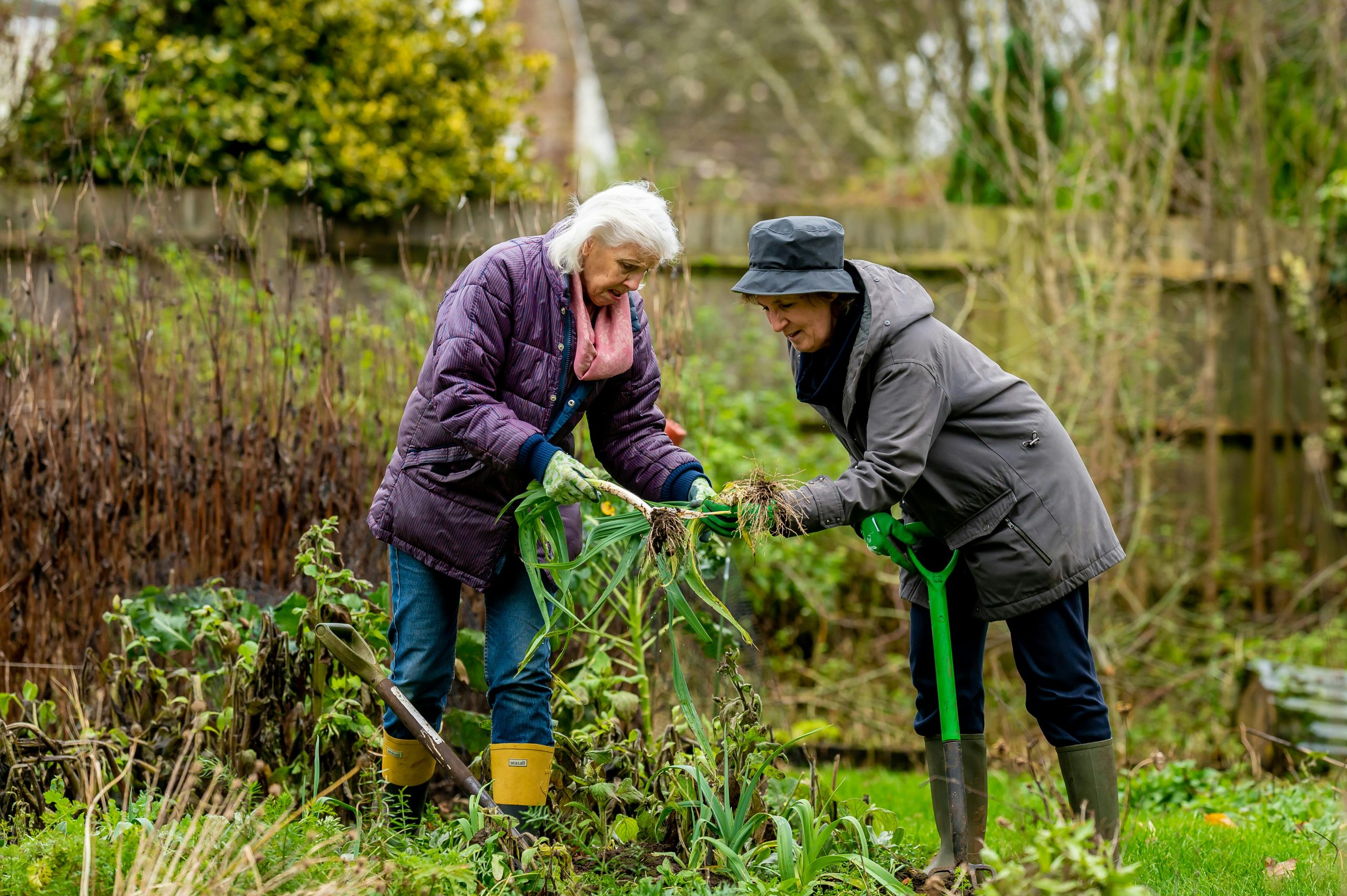
This paper examines the well-being of senior citizens, which is a matter of concern for society. Factors such as family structure, living arrangements, socio-economic status, education, health, and social structure (rural/urban) all play a role in the well-being of the elderly. There is a global effort to create an elderly-friendly society, and this study focuses on understanding the post-retirement well-being of elderly participants through their gardening activities. The study involved 12 participants, both men and women aged 60-75 years, who were retired from various organizations. The interviews were recorded, transcribed, coded, and analyzed using Interpretative Phenomenological Analysis (IPA) for thematic analysis. Most of the participants spent an average of two hours daily on gardening activities, influenced by factors such as family history, personal desires, advice from friends and relatives, and social media. After retirement, many individuals experience mental stress and seek new activities to fill their time, such as reading, writing, traveling, volunteering, gardening, playing cards, and spending time with grandchildren. However, many retirees engage in gardening without fully understanding the social, economic, and health benefits it can provide in their later years.